Zoey is 11 years old. She lives with her mom and her brother Zeus. Zoey sees her mom work hard to provide for their family. She also sees the stress of making sure that everyone has enough to eat at home, especially during the summer when they can’t rely on school meals. Thanks to supporters like you, Zoey and her family can attend free lunches in their community this summer while school is out. This is Zoey’s story.
“My name is Zoey and I’m 11 years old. […]
My mom works really hard to make sure me and Zeus have a roof over our head and enough to eat. When we’re eating, she’ll make sure we eat first and are full. Then if there’s leftovers she’ll make dinner for herself. She works from home, but I know it’s still a struggle.
“During the school year, I get free lunch and breakfast at school, which helps my mom make sure we have enough food for the weekends. But during the summer when school is out, we don’t have those meals, so instead we go to the free lunch […]
“They serve us turkey and cheese, peanut butter and jelly, apples, carrots and broccoli. It’s really good food that gives me the energy I need to be active and play with my friends. It also helps my mom not stress, because she doesn’t have to worry about finding money to feed us extra meals during the summer. […]
“I’m really happy that we have it. To everyone who makes it possible I want to say thank you. Because you’re making kids like me happy and our parents happy too, by making it easier for all of us to get enough to eat.”


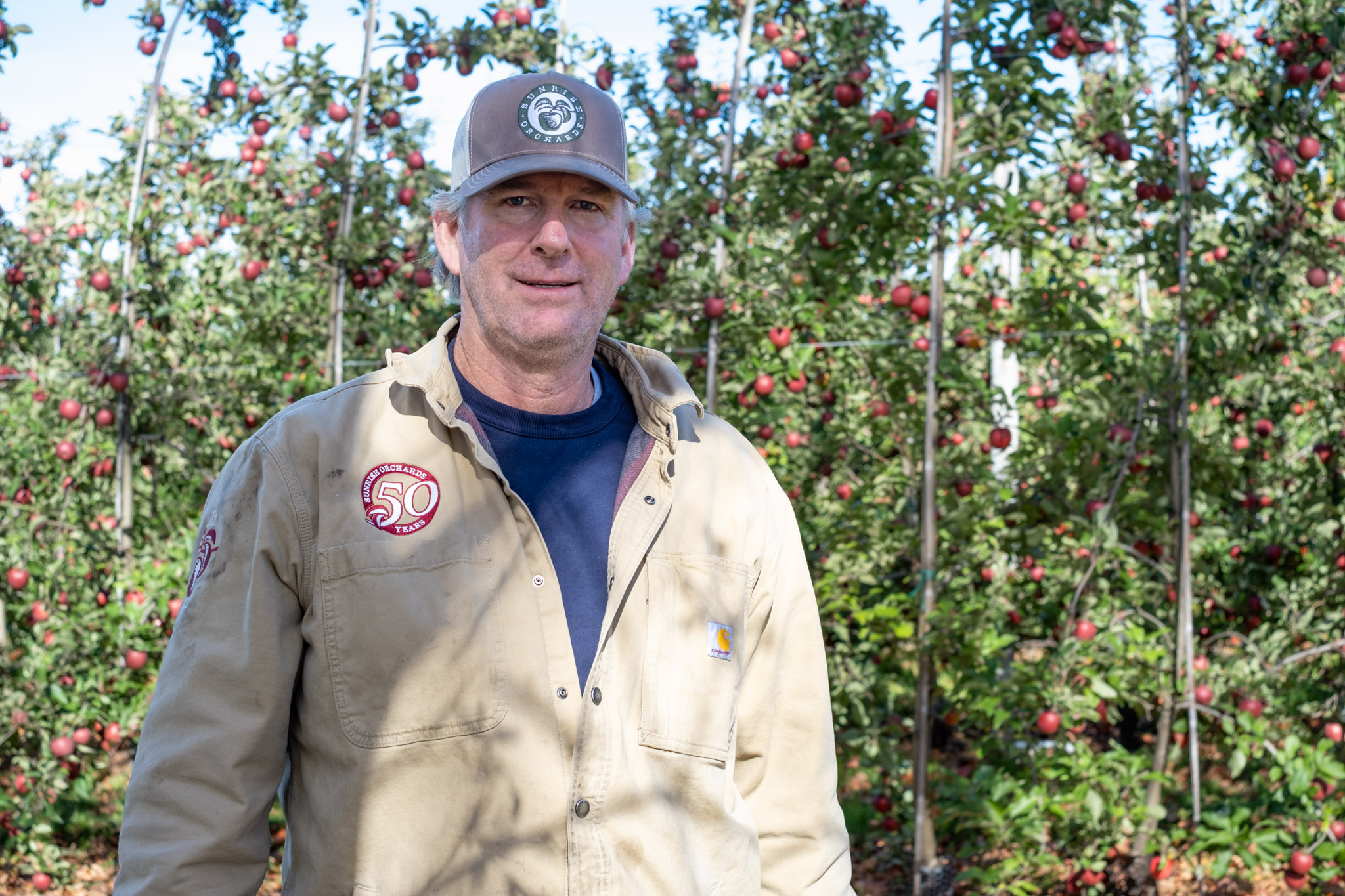
Barney and Chris are the owners of Sunrise Orchards, a family-run apple farm in Cornwall that became a Vermont Foodbank donor in 2025, when Barney reached out to offer the Foodbank more than 120 bushels of Paula Red apples, ensuring more neighbors could have access to the tasty autumn treat.
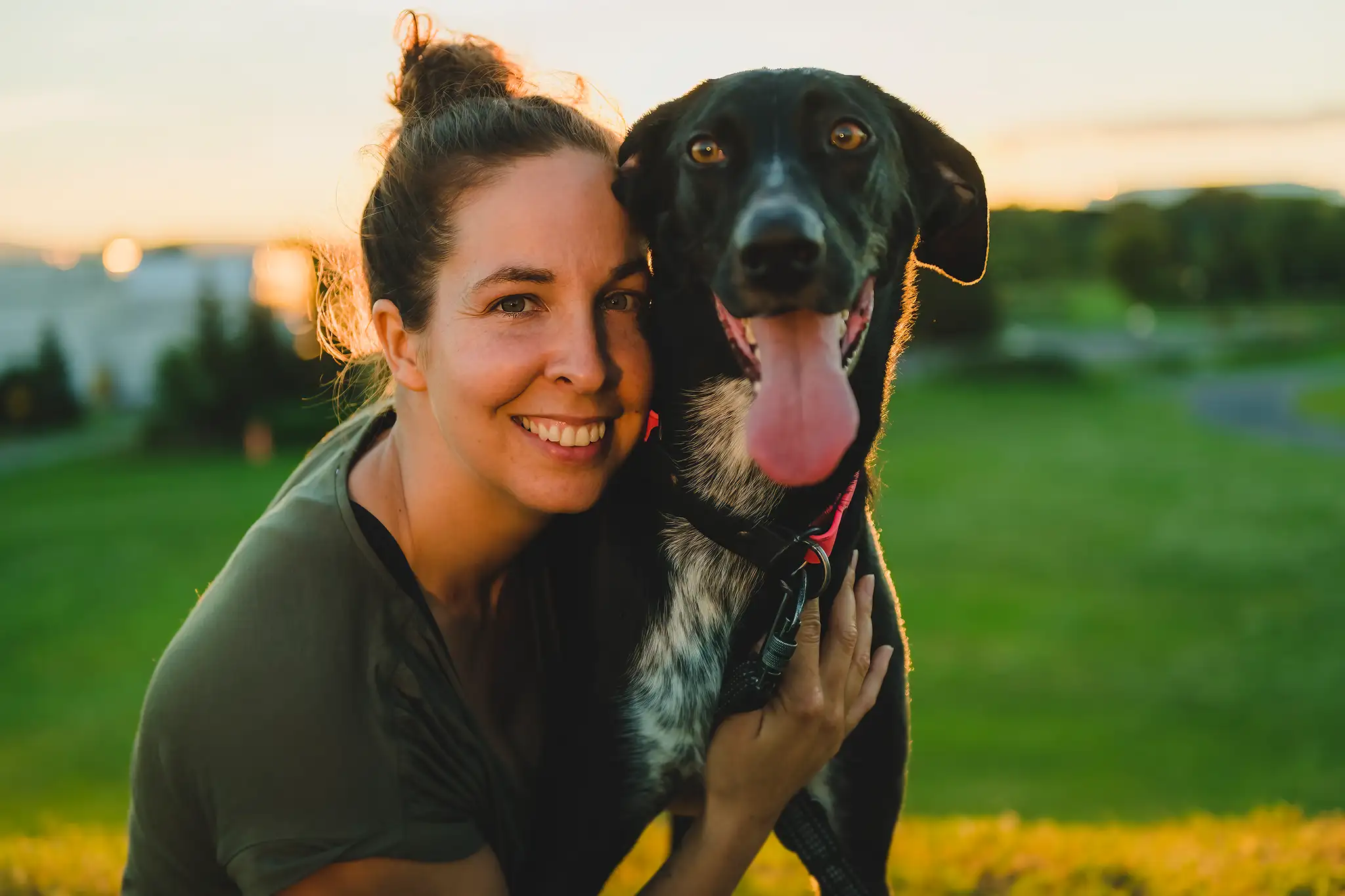
When an injury left Emma out of work without medical leave, she needed help affording groceries—so she got in touch with Vermont Foodbank. Now, Emma’s giving back and sharing her experience to make sure people are aware that food help is available when someone needs it.
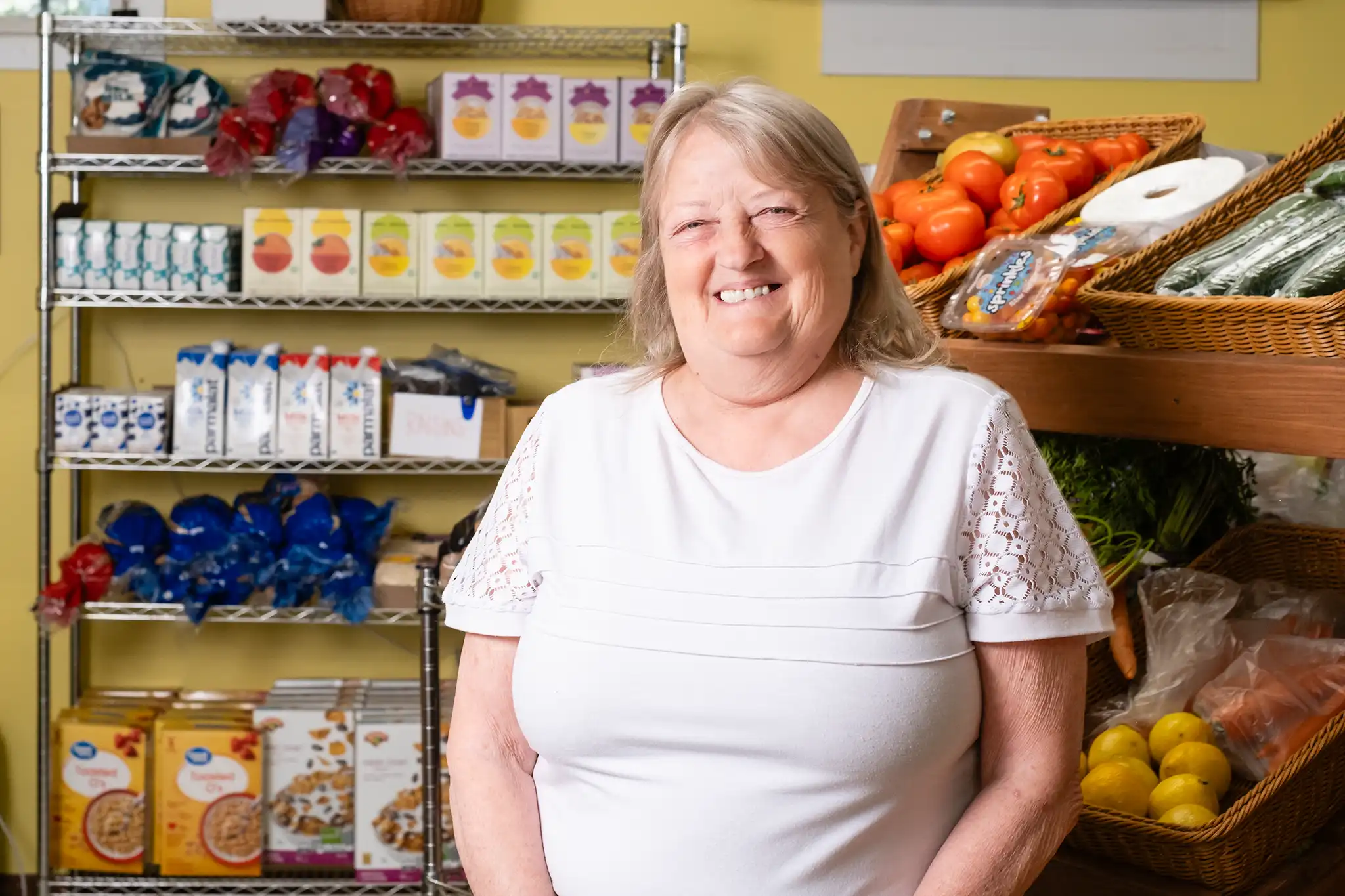
For Bethel Area Food Shelf, a local partnership that redirects fresh groceries to neighbors facing hunger has helped address rising community need. Now, they’re thinking creatively toward long-term food security.