For Bethel Area Food Shelf, a local partnership that redirects fresh groceries to neighbors facing hunger has helped address rising community need. Now, they’re thinking creatively toward long-term food security.
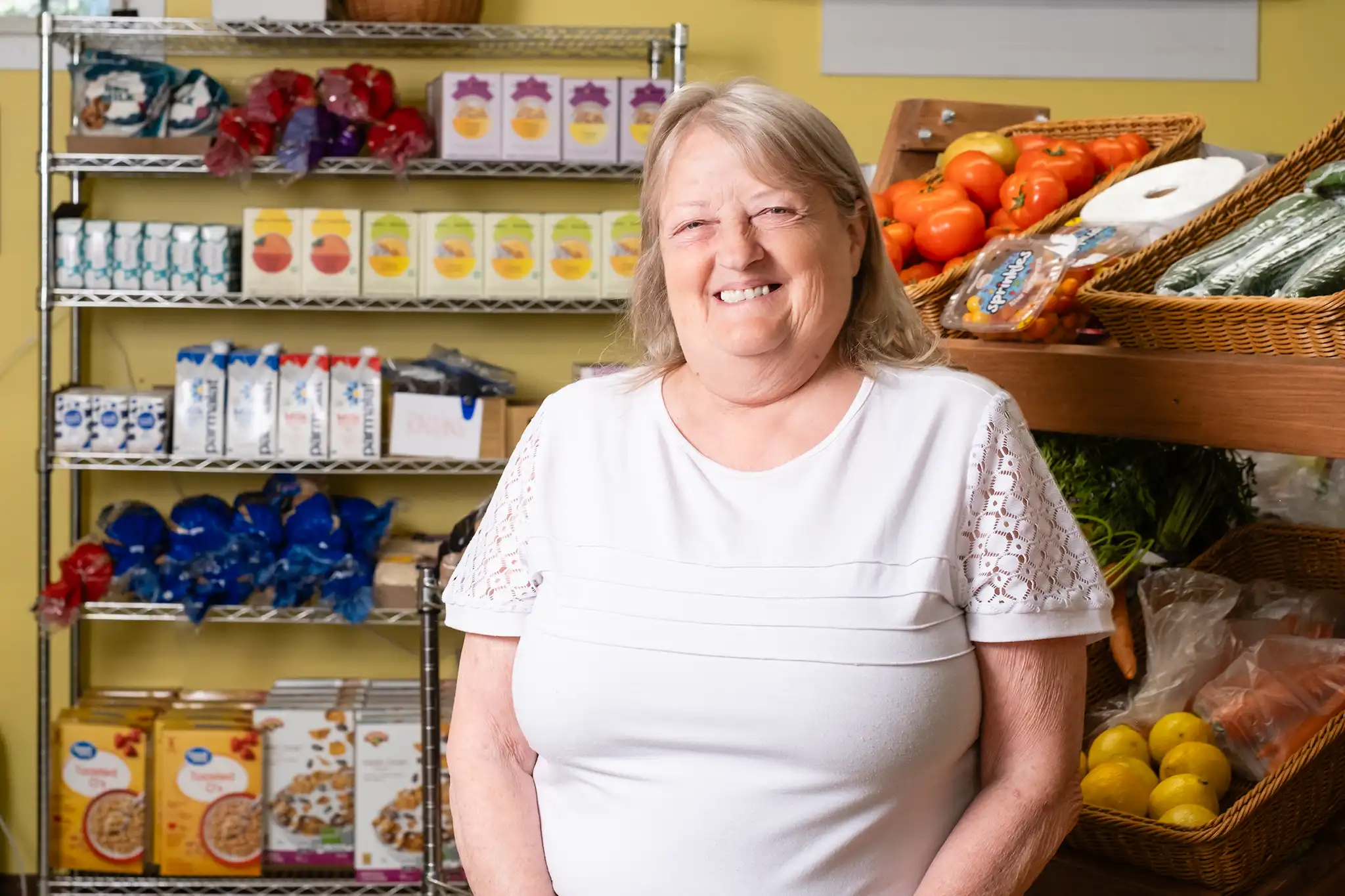
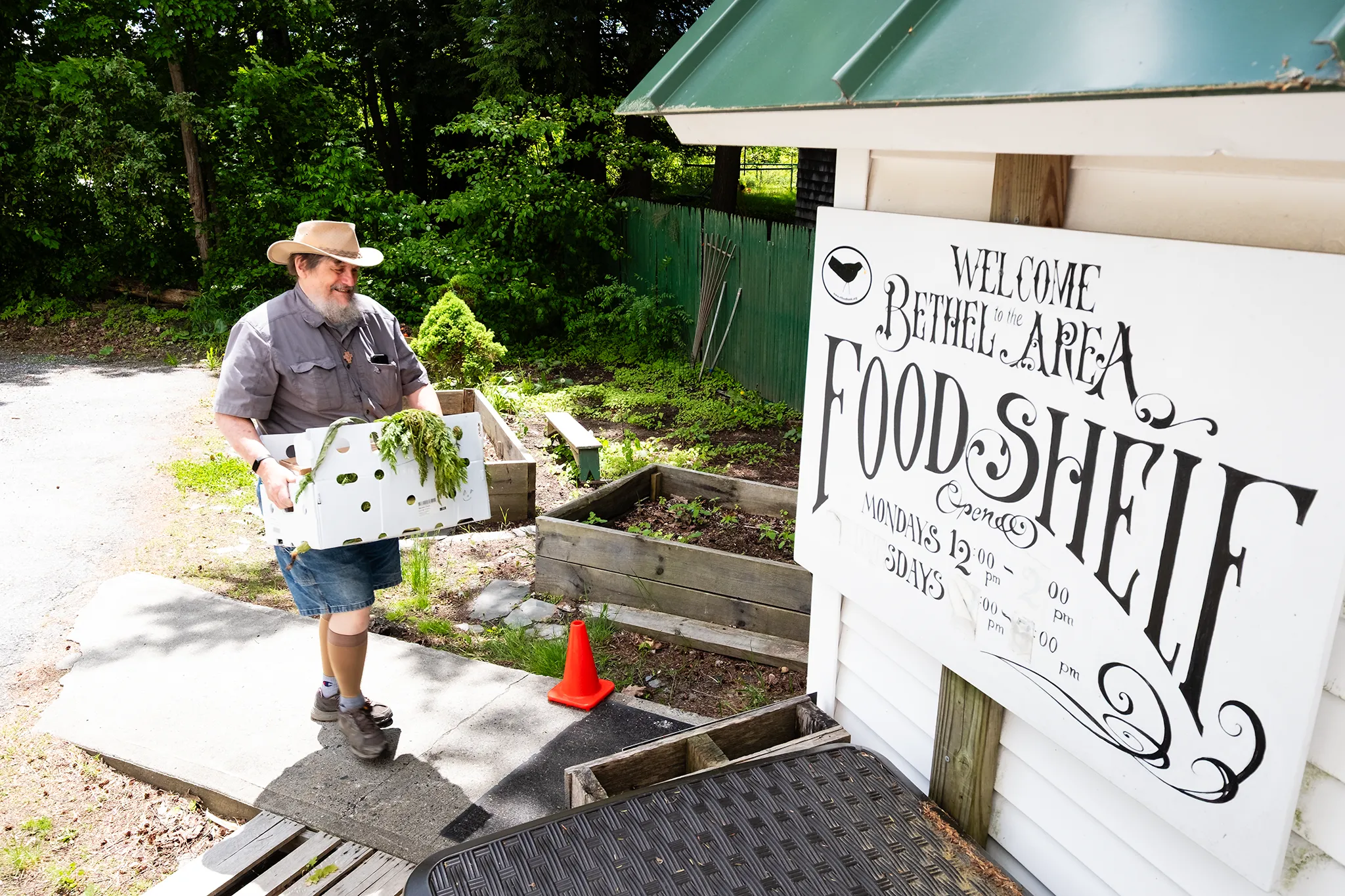
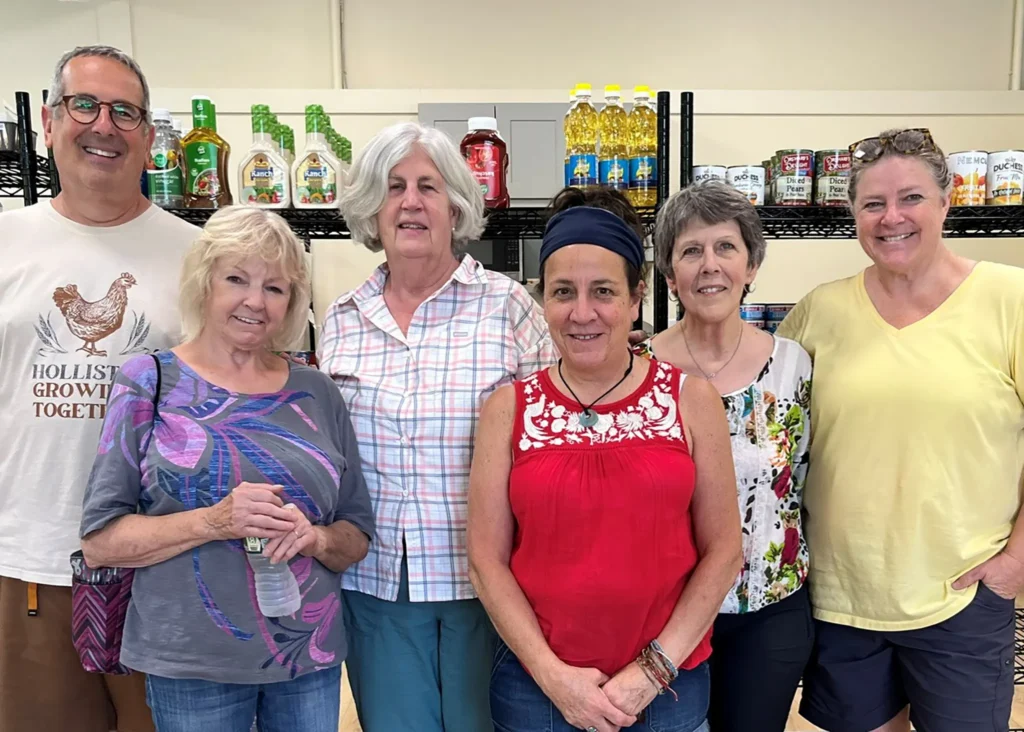
Emphasis on community is woven throughout the efforts of Bethel Area Food Shelf (BAFS)—a Vermont Foodbank partner—and it’s clear the moment you enter. An engraved wooden sign made by students marks shelves of fresh produce. Portraits of community members, taken by a local photographer, hang in one corner. Another sign, embodying the food shelf’s distribution approach, reads “Please, take enough for your family. Leave enough for your neighbors.”
BAFS has existed for over 40 years, and its use has grown nearly tenfold since COVID-19, from around 30 unique families each year to over 280 and still rising. About 60 volunteers—some who use the food shelf—fill shifts to keep food regularly available for neighbors in the five towns they serve. And residents have shown support by voting to include BAFS funding in town budgets.
Cindy, BAFS’s president, has played a central role in expanding community involvement. “When people bring their skills together around a shared purpose, something powerful happens,” Cindy says. “When I feel myself burning out, I spend time here with the people doing this work, and it restores me. I want this community to be resilient. BAFS is helping do that. I want people to understand that compassion is one of our greatest strengths.”
BAFS partners with their local Shaw’s grocery store through a Foodbank program called Fresh Rescue—supported by donors like you. Since August 2024, this partnership has supplied nourishing food that is removed from store shelves early to make room for new inventory, and remains fresh, safe, and good to eat. Shaw’s has become a reliable source of produce, protein, prepared meals, and bread.
The partnership came about when BAFS was struggling to keep up with need and facing cuts to food offerings. The positive impact on food quality and quantity was immediate. “This program literally saved BAFS at a time when we were spending nearly $9,000 per month on food,” Cindy says. “We’ve now reduced those costs to about $4,000 per month, and there’s always a wonderful surprise.” This might be a big box of fresh oranges, or an unexpectedly large supply of milk or other essentials.
“Participating in Fresh Rescue … allows us to be better stewards of our resources,” says Cindy. “It’s equally meaningful to see food that would otherwise be discarded instead nourishing our neighbors. It reflects a shared sense of care and responsibility, and shows how local partnerships can make a real, tangible difference.”
“It’s not just about calories. It’s about dignity, comfort, and the feeling that someone cares,” she adds.
As operations have stabilized, Cindy and BAFS’s management team have had space to explore what’s behind rising need, and how to support long-term food security. Through community conversations and surveys, they identified gaps in information about and access to existing resources. As part of a Foodbank partner cohort they’ve begun visioning a hub to centralize services and resource coordination. “It’s an exciting opportunity to build a more sustainable, connected community support system,” says Cindy. Read more about the partner cohorts and what they’ve been doing in A Shared Commitment to Nourishing Neighbors Statewide.
By helping connect excess groceries from local stores directly with food shelves, you’re supporting strong community food access today and a food-secure tomorrow.
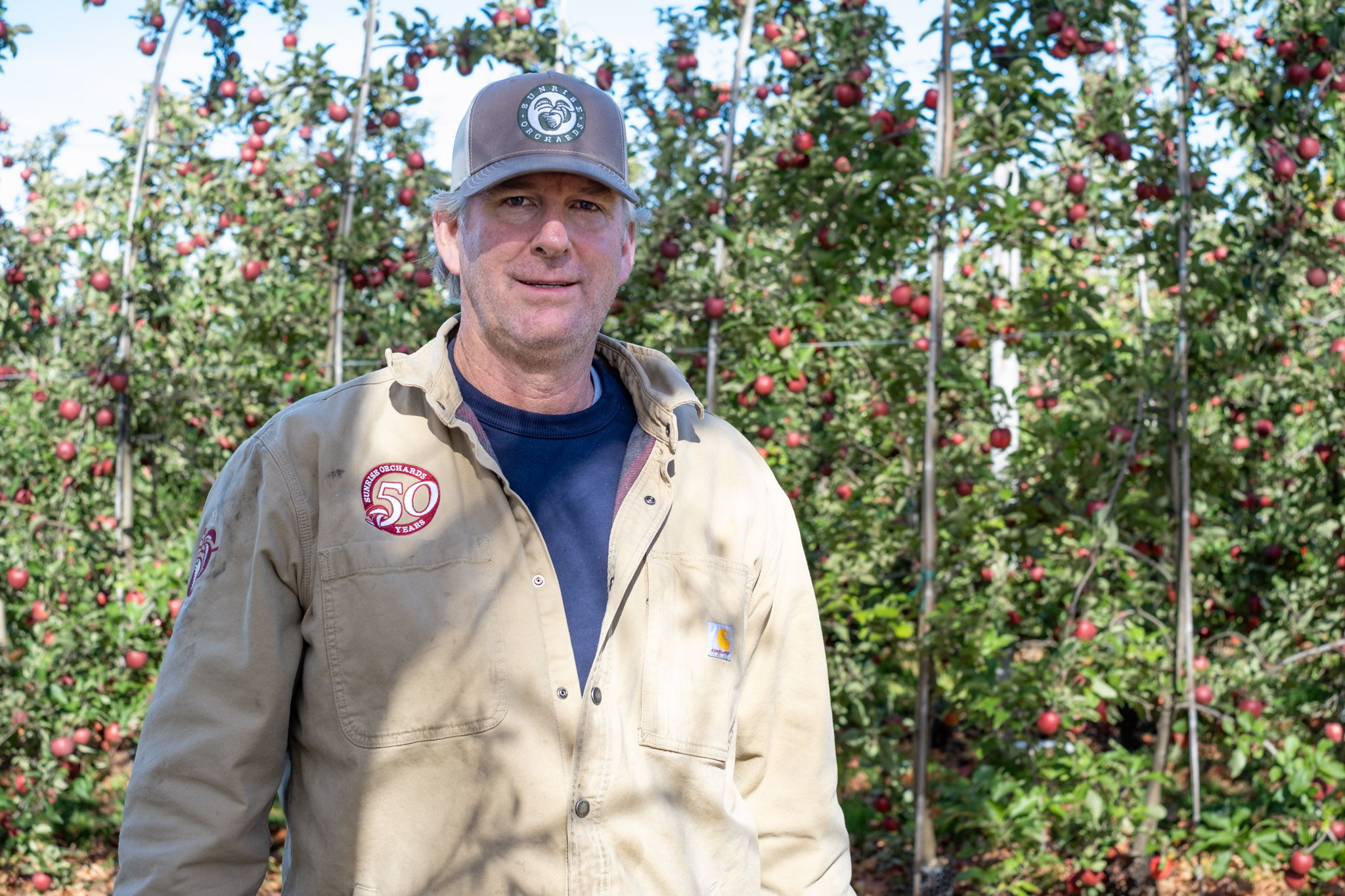
Barney and Chris are the owners of Sunrise Orchards, a family-run apple farm in Cornwall that became a Vermont Foodbank donor in 2025, when Barney reached out to offer the Foodbank more than 120 bushels of Paula Red apples, ensuring more neighbors could have access to the tasty autumn treat.
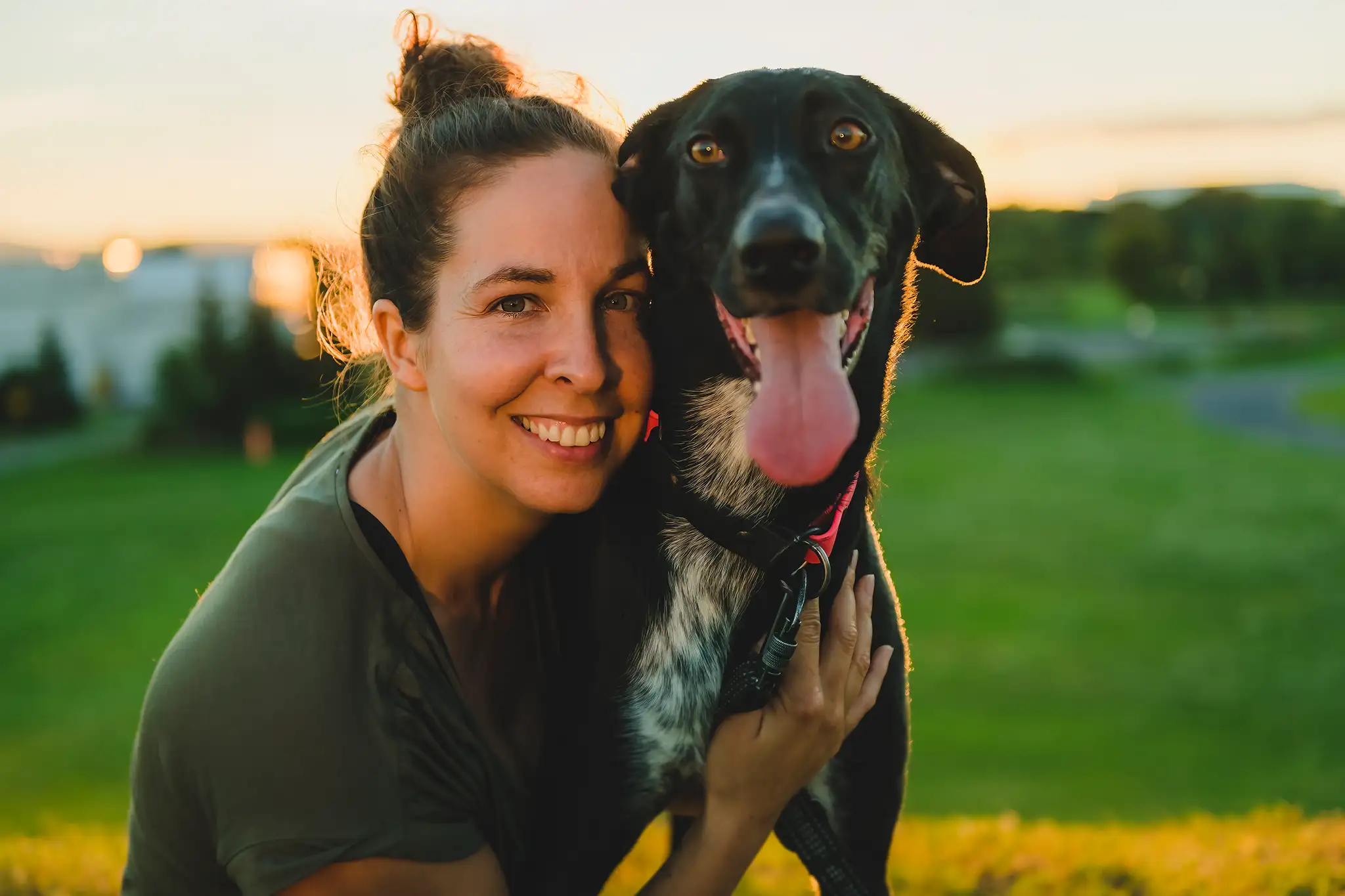
When an injury left Emma out of work without medical leave, she needed help affording groceries—so she got in touch with Vermont Foodbank. Now, Emma’s giving back and sharing her experience to make sure people are aware that food help is available when someone needs it.
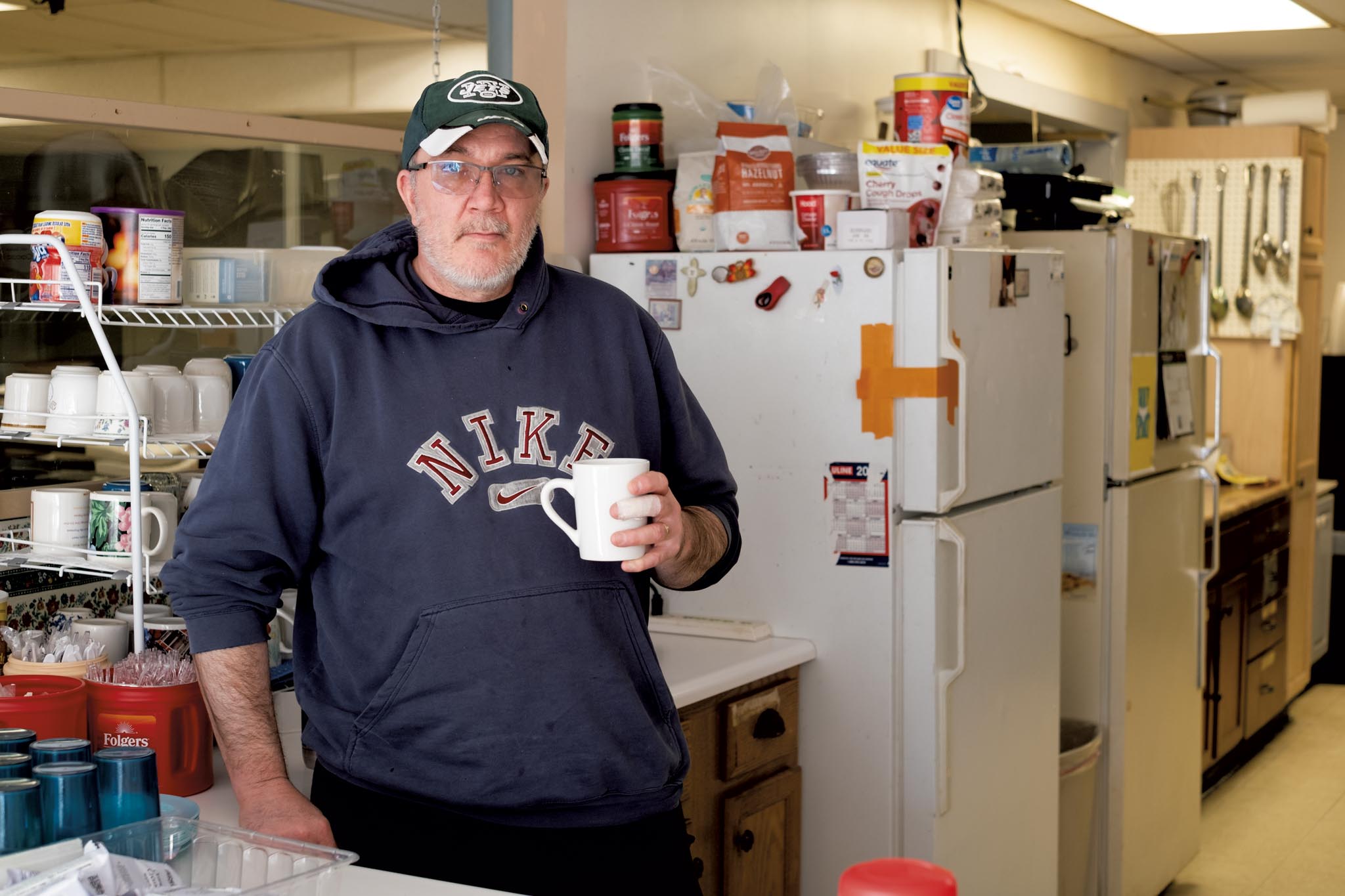
Having been on the receiving end of help himself over the years, Michael, the cook at Mustard Seed in St. Johnsbury is giving back by making sure his neighbors have a nourishing meal and a warm place to chat.