Jo is a recently retired art teacher living in southern Vermont. She works part time in a local store, but it’s not enough to make ends meet. Thanks to you, food is one less thing she has to go without.
The COVID-19 pandemic has been hard on everyone here in Vermont, but for older adults who live alone and face food insecurity, the difficulties run deep.
“I collect my social security, that comes third of the week. When that comes in that covers my rent,” says Jo, a life-long Vermont resident. “So I’m afraid to buy food. I’m afraid I don’t have money to pay my electric and my phone bill and TV.”
Recently retired after years working as an art instructor at a local elementary school, Jo is now living alone and works part-time at a store to make ends meet. She loves her job and notes how it keeps her connected to her community, saying that customers often ask after her on the days she’s not working. But her irregular schedule often conflicts with free food distribution events, and her paycheck isn’t always enough.
“I’m probably just skimming by with my bills, which leaves me not very much money to buy food,” Jo says.
Jo knows how to stretch her meals. She recently cooked a whole chicken dinner with roasted sweet potatoes and butternut squash. She brought a plate to her sister and, after that, she expects the leftovers to last two or three days.
Despite her own challenges with food insecurity, Jo still helps her neighbors in need by dropping off food items at her local soup kitchen. Even that has become difficult during the pandemic. “I can see it,” Jo says of the increased need for food assistance in her town since the pandemic. “I went by the church and [there] was a big line of people that [were there] to get free food.”
But things are changing for Jo. Thanks to the support of the Vermont Foodbank community, we were able to help get Jo signed up to receive monthly boxes of food, as well as funds to purchase groceries.
It is because of community support, from friends like you, that older adults and neighbors across Vermont have the nourishment needed to take good care of themselves, their loved ones, and their communities.
Support neighbors during this difficult time, if you can. Give help.
Are you in need of help? We’re here. Get help.
Help get food to neighbors who need it. Volunteer.
* Photo substituted to protect privacy.

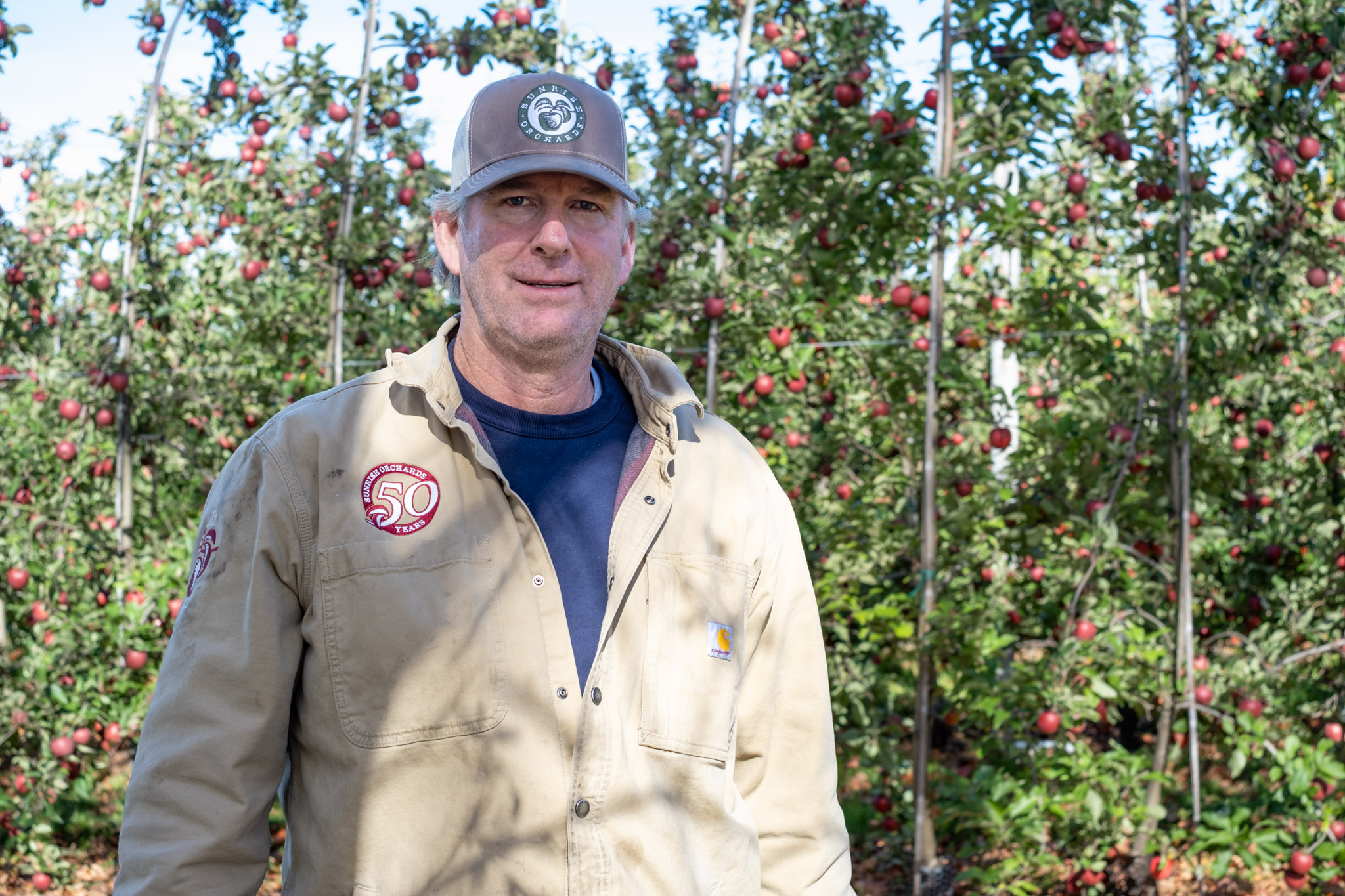
Barney and Chris are the owners of Sunrise Orchards, a family-run apple farm in Cornwall that became a Vermont Foodbank donor in 2025, when Barney reached out to offer the Foodbank more than 120 bushels of Paula Red apples, ensuring more neighbors could have access to the tasty autumn treat.
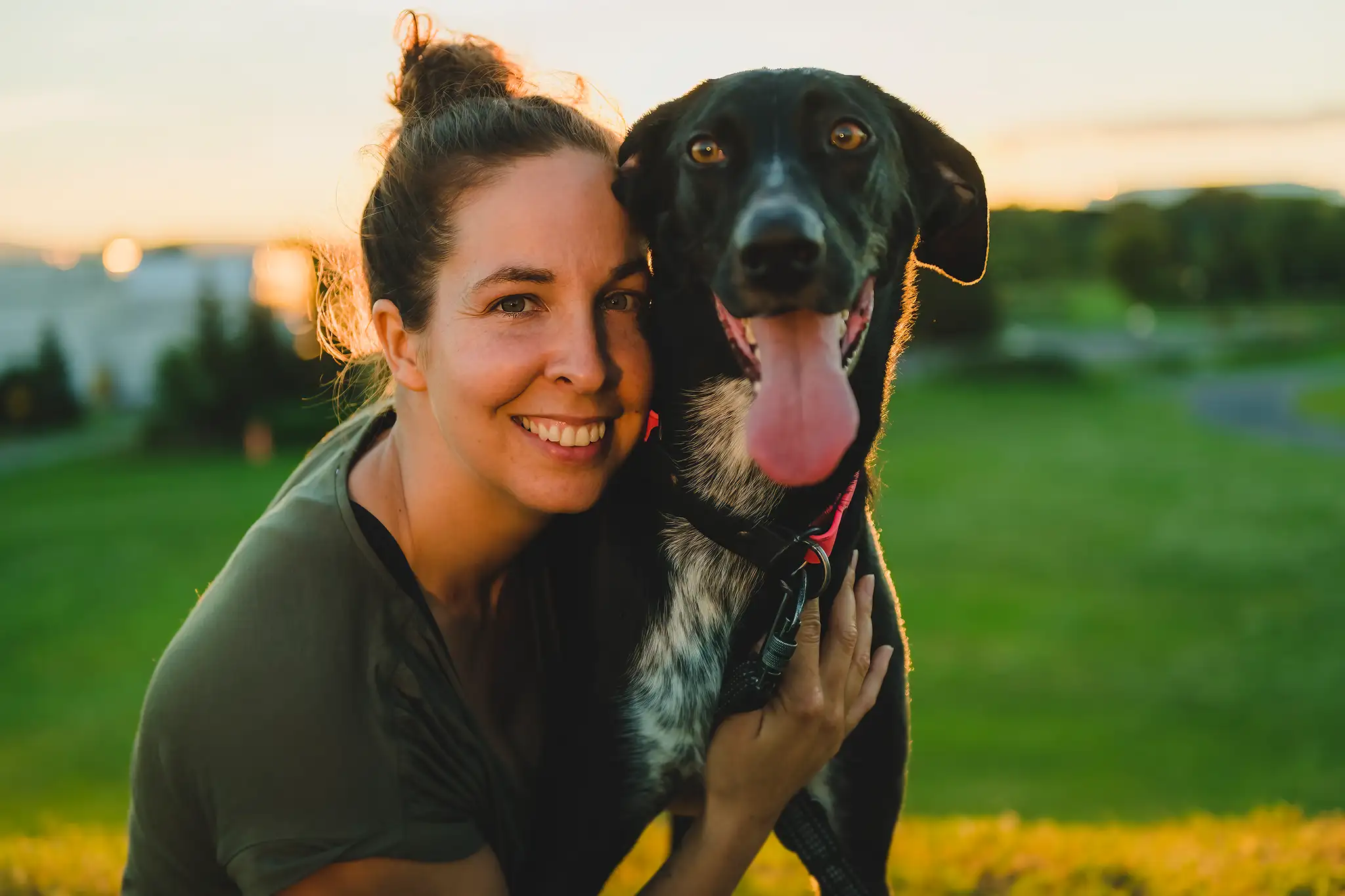
When an injury left Emma out of work without medical leave, she needed help affording groceries—so she got in touch with Vermont Foodbank. Now, Emma’s giving back and sharing her experience to make sure people are aware that food help is available when someone needs it.
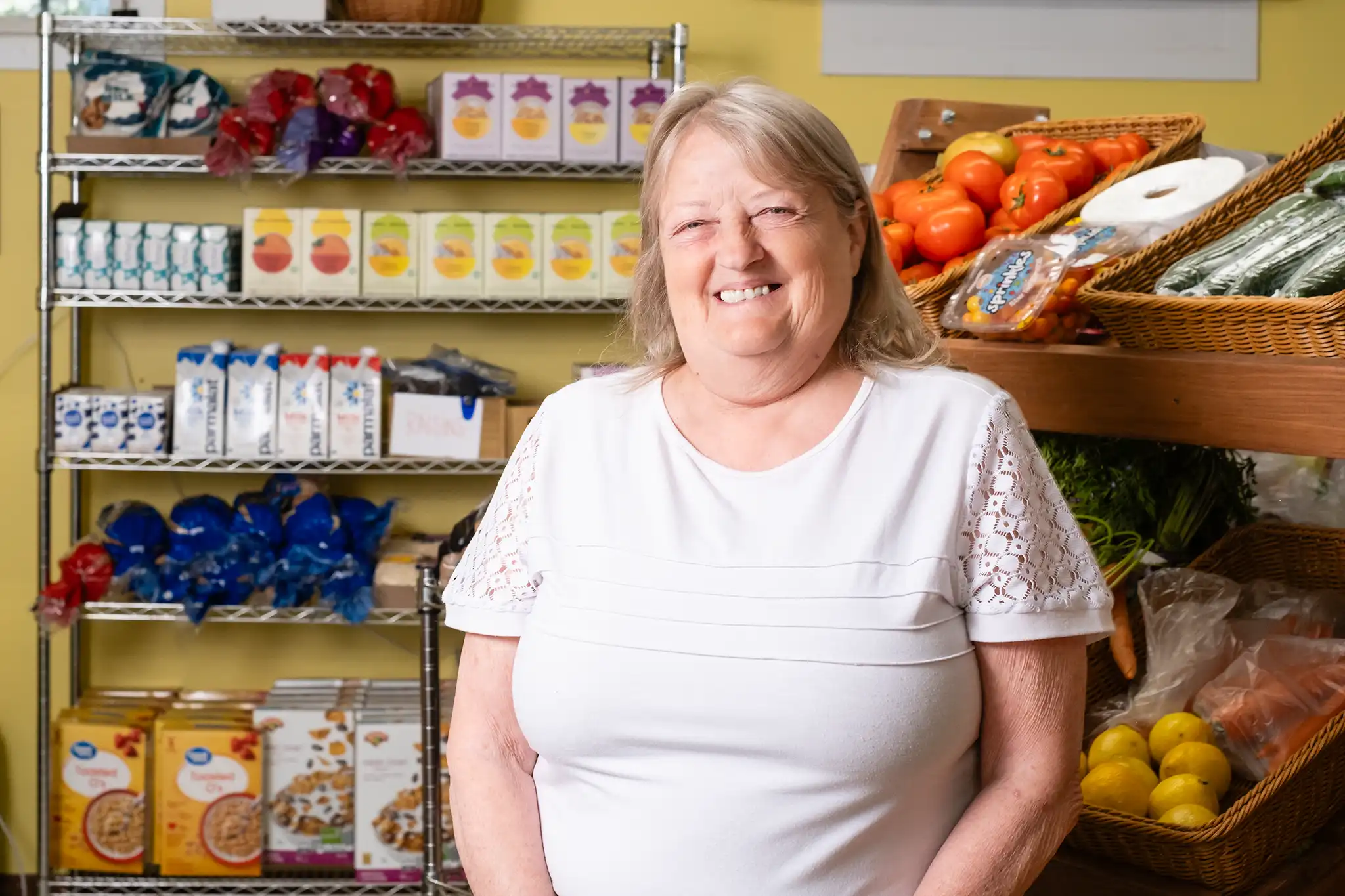
For Bethel Area Food Shelf, a local partnership that redirects fresh groceries to neighbors facing hunger has helped address rising community need. Now, they’re thinking creatively toward long-term food security.