Vermont Ranks #1 for Summer Meals, but Critical Gaps Remain
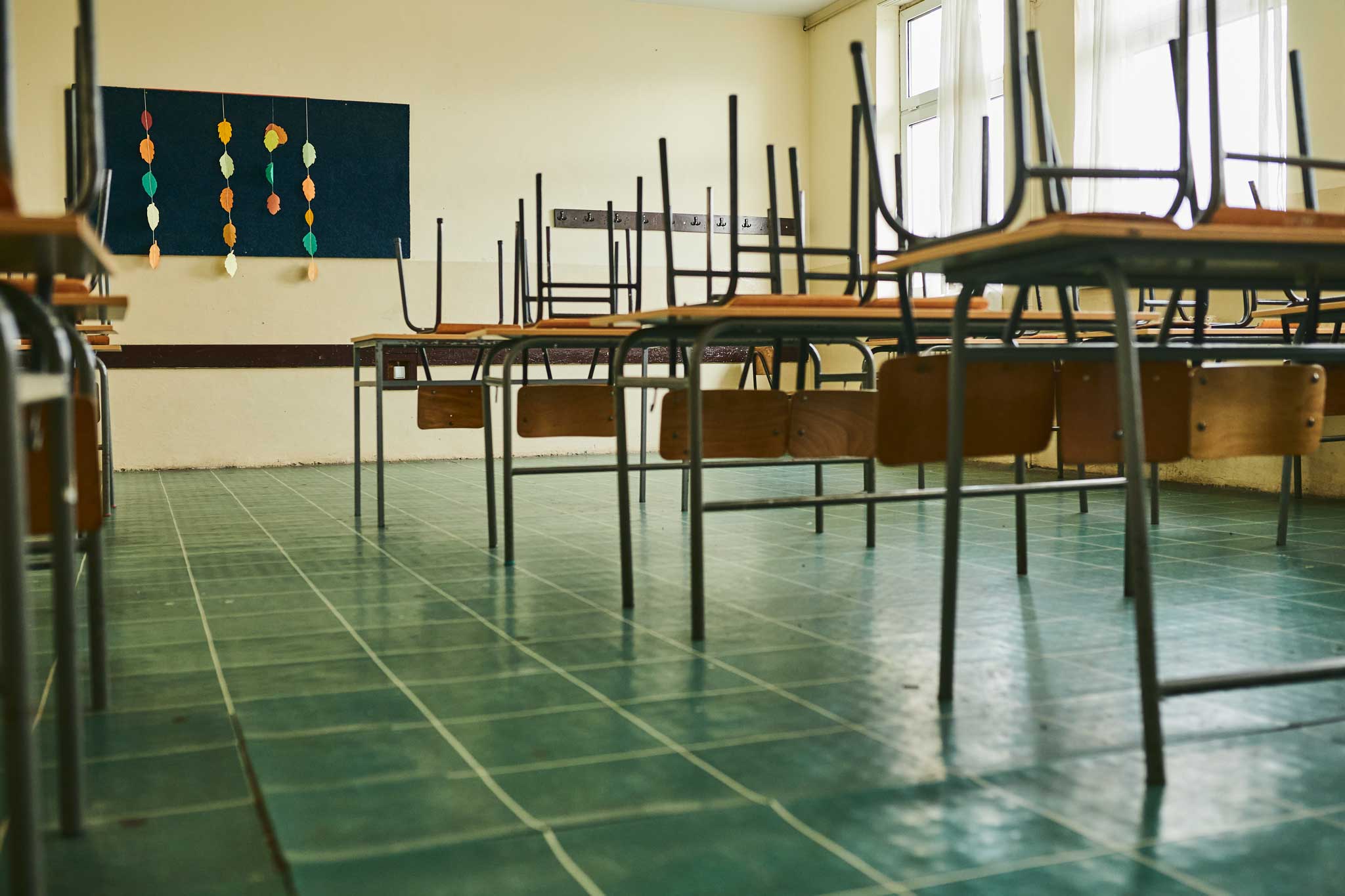
“Summer often is one of the hungriest times of the year for families with school-age children.” This is the opening line of a new national report on summer meals published by the Food & Research Action Center (FRAC).
It continues: “When the school year ends, millions of children from low-income households lose access to the school breakfasts and lunches they rely on during the school year….In July 2024, 16.2 children received a summer lunch for every 100 who received a free or reduced-price school lunch during the 2023– 2024 school year.”
In other words, 84% of children in the U.S. who get help with meals during the school year do not in summer. Vermont is a bright spot as the only state to meet FRAC’s goal: “reaching 40 children with summer lunch for every 100 children who received a free or reduced-price school lunch.” Vermont achieved 59.3 of 100 in 2024, according to the report.
This is partly the result of Hunger Free Vermont’s work to help communities across the state establish and grow summer meal programs, which serve all children 0-18 with no paperwork or registration required.
40% of Kids in Vermont Are Not Getting Summer Meals
For the 40% of children in Vermont who have school-year support but not in summer, a primary issue is accessing available programs. School meals are provided where children already are; whereas summer meals require getting to a specific location at a specific time. This is a struggle for parents working long hours, multiple jobs, and/or managing transportation limitations.
Patrice Lumumba, the district coordinator of community wellness and belonging for the Winooski School District, offers insights on the challenge of food assistance in summer. “It’s hard for families,” he says. “It brings a lot of problems for a lot of families that really depend on these resources. Families are trying to figure out the logistics of how to live.”
Because Winooski’s school runs a Necessity Store (a food shelf for the school community) in addition to breakfast and lunch, Patrice sees an amplified summertime struggle in his community. “We do have a schedule I print for families of all the pantries within the area that serve free hot meals, that give free food. This is not the only pantry in the area.” He provides families with a printed schedule and a map to help them piece resources together.
Vermont Foodbank’s network of food shelves and meal sites help families fill the gap in summer. Food shelves in particular, run by and for members of each community in Vermont, try to structure their hours based on neighbors’ availability to shop. Many are located on bus routes and/or in buildings with other commonly accessed services – like Onion River Food Shelf, located in Marshfield’s town office building; or the Kitchen Cupboard, co-located with the Bennington Free Clinic. Both offer Saturday hours.
There’s Work to Do, and You Can Help
If you’re able to give, you can make a real difference for your neighbors. With a gift to Vermont Foodbank, every dollar from you yields more than $4 worth of groceries that support food shelves and meal sites across the state. Learn more here about our summer fundraising drive and how you can support Vermont kids and families while school’s out.
Do you have a little time to spare this summer? Food shelves rely on volunteer help. Find your local food shelf here.
Help children access summer meals. Find summer meal sites here and spread the word.
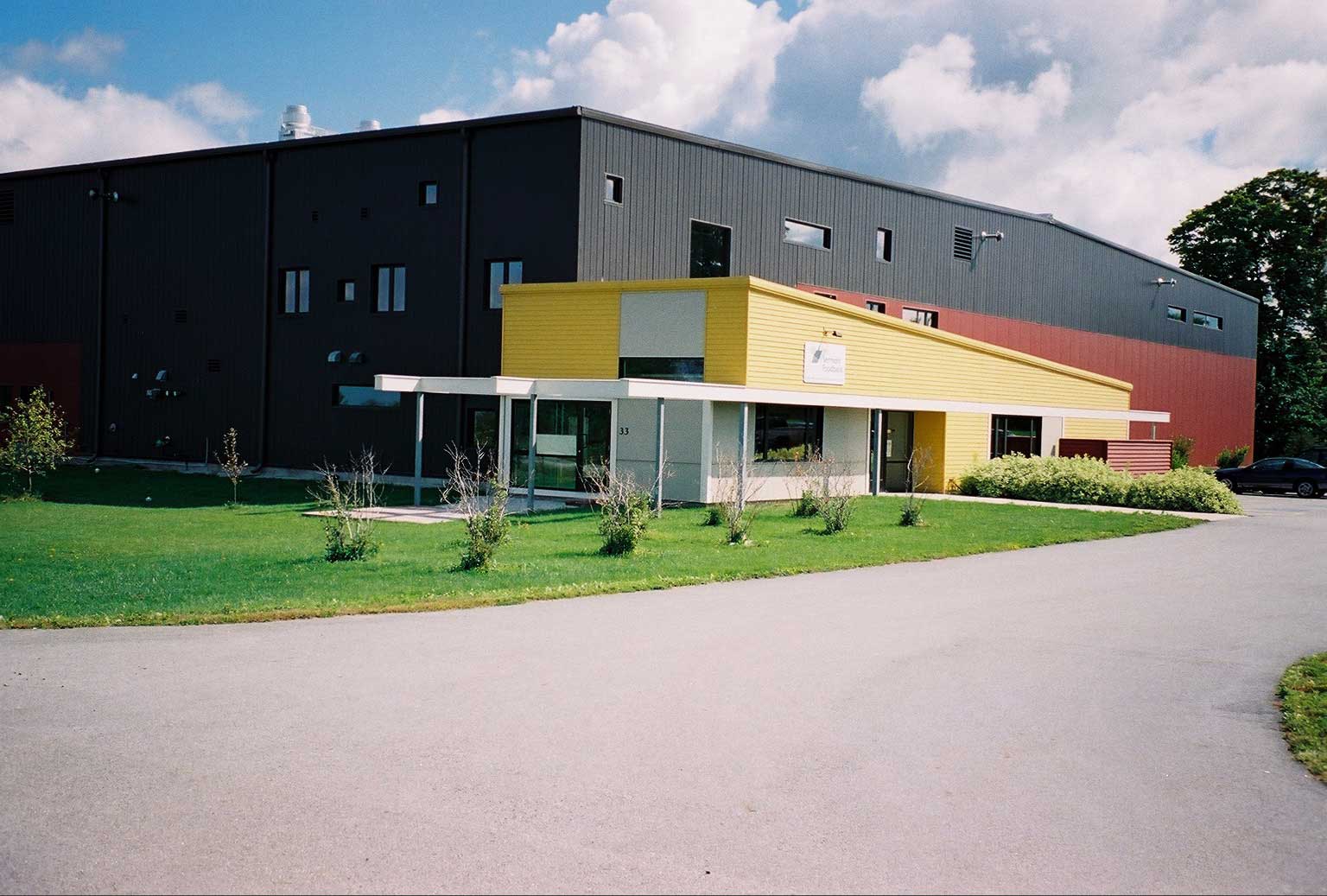
Forty years ago, Vermont Foodbank came to be. Today, it is Vermont’s largest hunger relief organization. But why was it created in the first place?

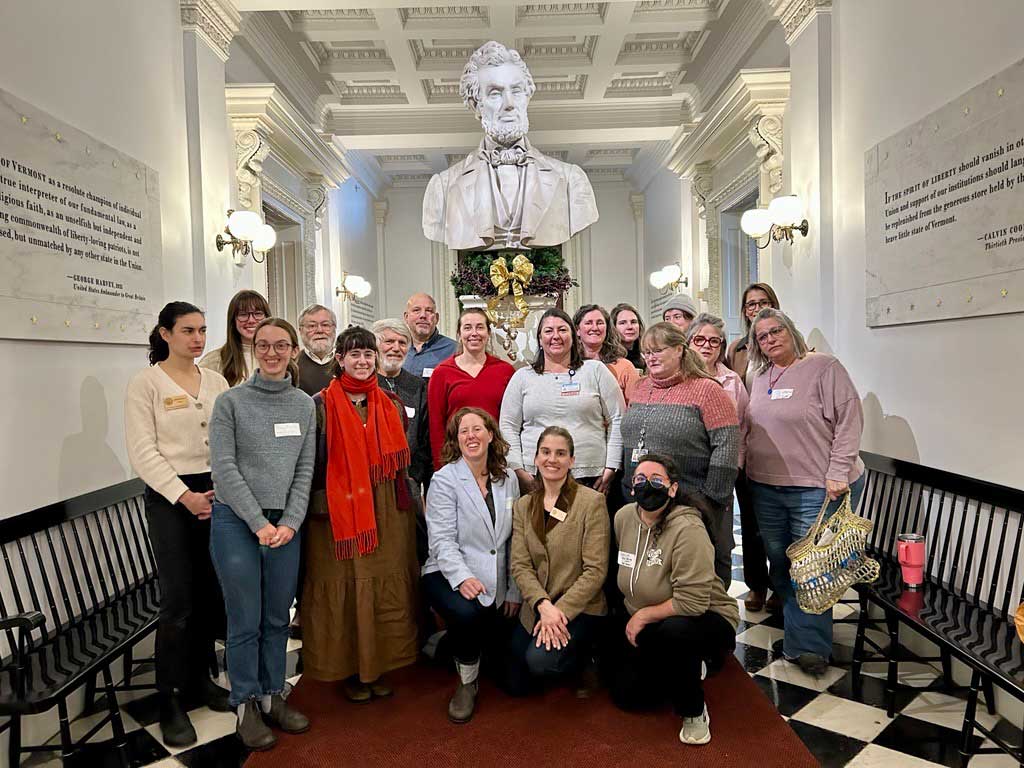
Vermont Foodbank is proud to join Vermont Civic Connect this election year, a new initiative from the Vermont Secretary of State's Office. Learn why we believe informed civic participation helps build stronger communities and supports our vision of a food-secure Vermont.
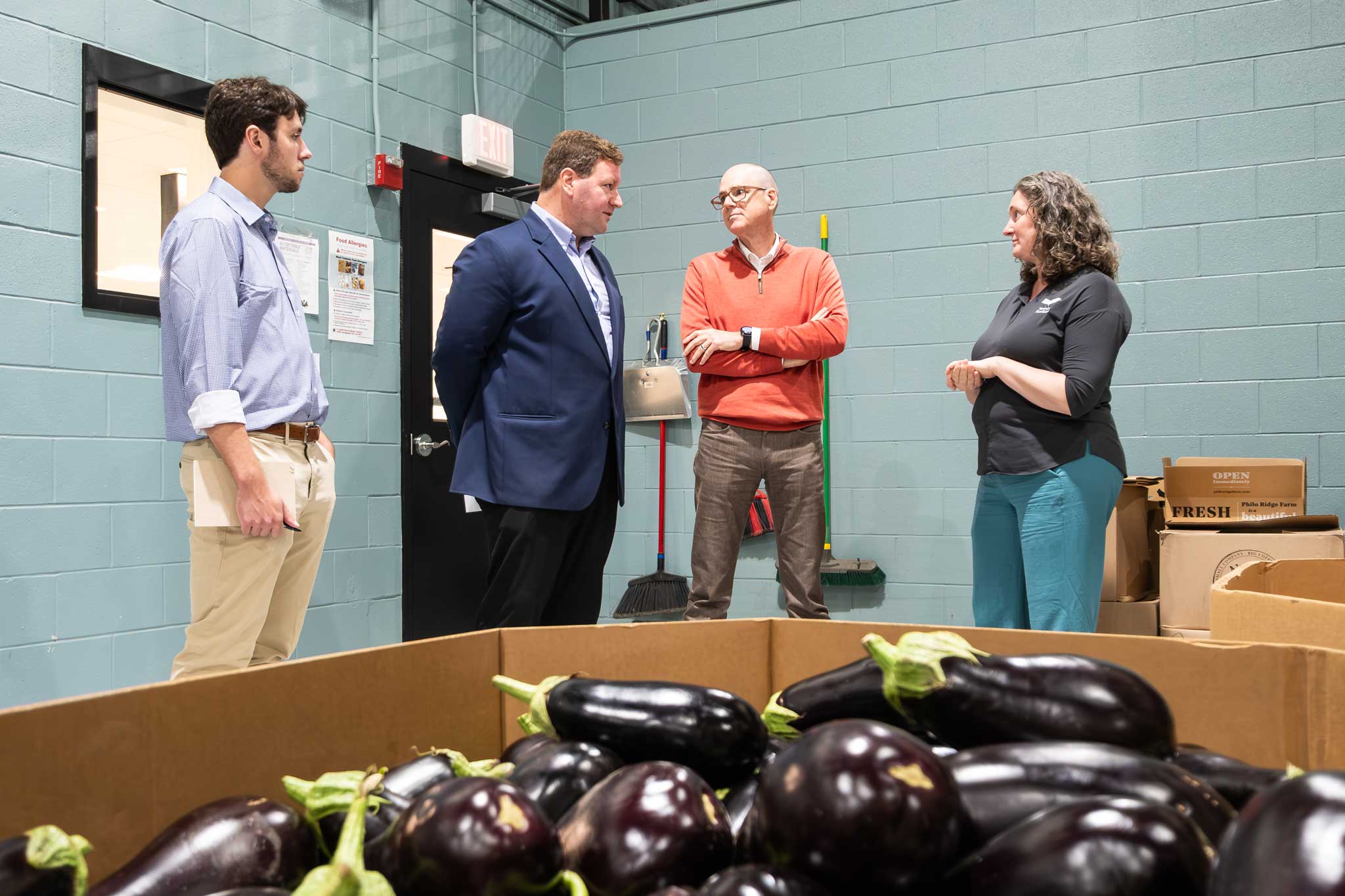
Vermont’s State Treasurer doesn’t typically hit the road to hand out checks to nonprofits around the state, but on Tuesday, Mike Pieciak climbed Quarry Hill in Barre to stop in at Vermont Foodbank’s distribution center.