3SquaresVT work requirements have changed. Starting March 1st, some Vermont neighbors could lose 3SquaresVT food benefits unless they report information to Vermont Economic Services Division (VT-ESD) about work, volunteer hours, or certain life situations that excuse them from work requirements.
If you have a personal barrier to meeting the work hours needed, you may be exempt. Many personal barriers count, and a service provider in your community, like our team at Vermont Foodbank, can help you report information to VT-ESD to seek an exemption.
You can contact our team at the Foodbank on our 3SquaresVT page—or call (855) 855-6181, text VFBCHAT to 61222, or email 3svt@vtfoodbank.org.
What are 3SquaresVT work requirements and why have they recently changed?
People receiving 3SquaresVT need to meet two different work requirements—the General Work Requirement and the Time Limited Benefit Work Requirement. Most people automatically meet the General Work Requirement. The Time Limited Benefit Work Requirement is for people aged 18 to 64 who are not disabled, pregnant, or caring for kids and there are many ways to get excused (get an exemption) from it. The following information is specific to the Time Limited Benefit Work Requirement.
The “One Big Beautiful Bill Act” passed by the US Congress in summer 2025 included changes to some of the program’s rules—including expanding the work requirement.
3SquaresVT is administered by the State of Vermont’s Economic Services Division (VT-ESD). VT-ESD works to administer 3SquaresVT accurately and in compliance with US federal government rules. VT-ESD has carefully implemented the expanded work requirement rules and changes go into effect on March 1, 2026.
How has the 3SquaresVT work requirement changed and how do I know if I’m affected?
People who are aged 18-64 and are not disabled, pregnant, or caring for kids under 14 and people experiencing homelessness, veterans, and youth who have aged out of foster care are required to work to receive 3SquaresVT benefits.
Before the changes passed by the US Congress in summer 2025, the age limit for the work requirement was lower, and certain groups—including people experiencing homelessness, veterans, and youth who have aged out of foster care—were all automatically exempt from the work requirement. Now, because of the changes, more older adults—along with those same groups—must meet the work requirement too, or they can request a personal barrier exemption.
Some people will not be affected, while others will be significantly impacted. If you are impacted by changes to the work requirement, you may have received a notice by mail, phone call, or text from VT-ESD—and you may be able to report information to VT-ESD to get an exemption. In some cases, to get an exemption, you’ll need to provide verification to VT-ESD. Here are two key exemptions to explore:
- Medical Exemption: A healthcare provider can complete page 1 of the 210A form to verify a medical barrier to meeting the work requirement. Providers may include a primary care, specialist, or qualified mental health provider. The signed form must be submitted to VT-ESD.
- Personal Barrier Exemption: Service providers, such as our team at Vermont Foodbank, shelters, housing coordinators, or social workers, may complete page 2 of the 210A form to verify a personal barrier to meeting the work requirement. Personal barriers may include houselessness, lack of transportation, grief or loss, language barriers, waiting for a medical appointment, and more. The signed form must be submitted to VT-ESD.
You can volunteer to meet the 3SquaresVT work requirements at any public or private nonprofit (such as a food bank or food shelf, senior center, or town office). The number of volunteer hours needed is based on the number of dollars you receive in 3SquaresVT benefits. VT-ESD will tell you the number of needed volunteer hours. Proof of volunteer hours must be submitted to VT-ESD. In some cases, obtaining a medical or personal barrier exemption using the 210A form may be simpler than submitting volunteer-hour documentation.
How can Vermont Foodbank help me explore an exemption to the work requirement?
If you received a notice from VT-ESD about the work requirement by mail, phone call, or text, our team can support you in making sense of it.
We can explore if you may qualify for an exemption and just need to report the information to VT-ESD with the 210A form. We can help you find a copy of this form online and give you tips about how to talk to your healthcare provider about filling it out thoroughly.
We may be able to help you report a personal barrier preventing you from being able to meet work requirements. As service providers, we can complete page 2 of the 210A form to show VT-ESD you are experiencing a personal barrier to working. Other service providers such as a shelter, a housing coordinator, or a social worker may also be able to complete page 2 of the 210A form for you, too.
With help from our Foodbank team to complete page 2 of the 210A form, one Vermont neighbor, Vivienne, secured an exemption and was able to maintain her benefits:
“My understanding after reading a notice from the ESD was that the only options available were to enroll in education and training, work a volunteer or paid position for 80 hours [a month], or to have a medical practitioner complete Form 210A. Vermont Foodbank was not listed as a resource… Vermont Foodbank reached out to me to offer assistance that I did not know was available. Sarah and I completed an exemption together and she submitted it to the Economic Services Division on my behalf. She was kind, professional, and said, ‘You are not alone in this.’”
If you need to meet the work requirement and would like to explore a possible exemption, we encourage you to reach out to our team at Vermont Foodbank or another trusted service provider. Contact our team at Vermont Foodbank by through our inquiry form—or call (855) 855-6181, text VFBCHAT to 61222, or email 3svt@vtfoodbank.org.
If you are not already receiving 3SquaresVT and would like help completing an initial application we can help you with that, too!
Glossary of Terms
3SquaresVT: A food benefit program, known nationally as SNAP (the Supplemental Nutrition Assistance Program), that provides monthly benefits to help people buy food.
Vermont Economic Services Division (VT-ESD): A public state government division within Vermont’s Agency of Human Services that administers 3SquaresVT.
Vermont Foodbank: A statewide nonprofit organization whose primary mission is to gather and distribute quality food. Staff members can also help people apply for 3SquaresVT and explore possible exemptions to the work requirement.
General Work Requirement: Most people automatically meet the General Work Requirement. It mainly says you must tell VT-ESD if you have a job or not, and that you shouldn’t quit or refuse a job without a good reason.
Time Limited Benefit Work Requirement: A rule for people aged 18 to 64 who are not disabled, pregnant, or caring for kids. It mainly says you need to work or be excused/exempt to be eligible for benefits.
210A Exemption Form: A form that allows you to request a medical exemption or a personal barrier exemption to the Time Limited Benefit Work Requirement. You can have a medical provider or a community partner fill it out.


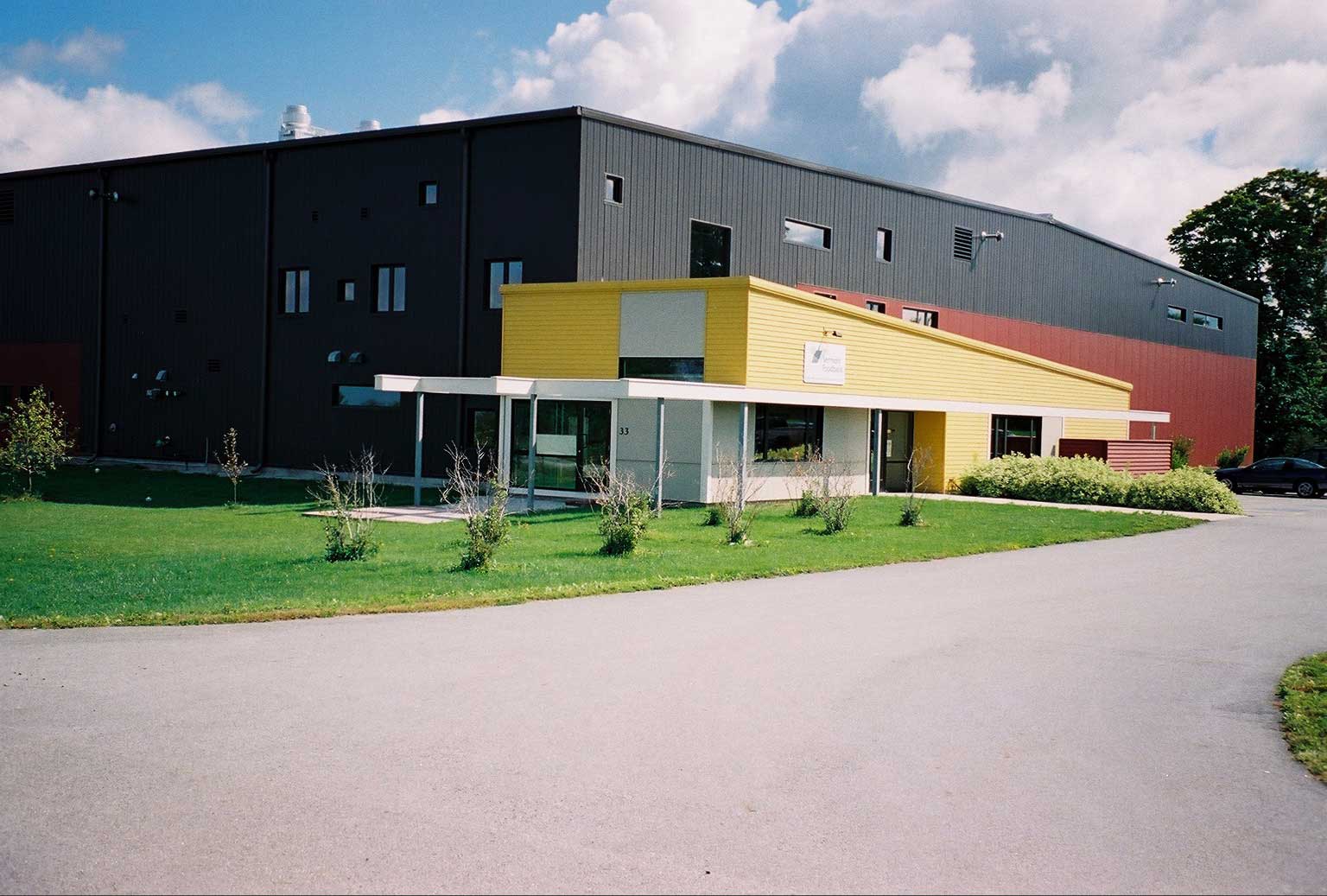
Forty years ago, Vermont Foodbank came to be. Today, it is Vermont’s largest hunger relief organization. But why was it created in the first place?
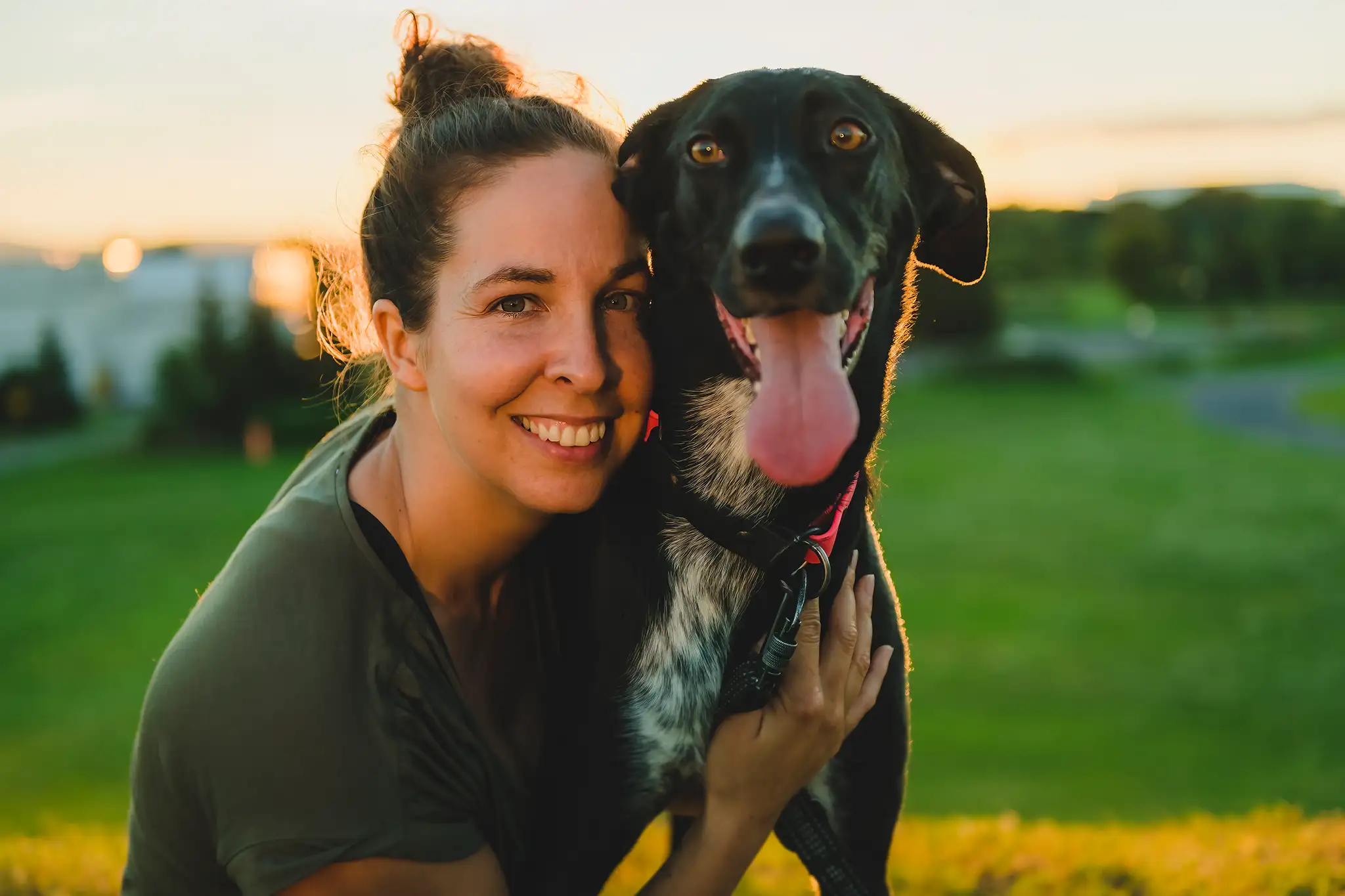
When an injury left Emma out of work without medical leave, she needed help affording groceries—so she got in touch with Vermont Foodbank. Now, Emma’s giving back and sharing her experience to make sure people are aware that food help is available when someone needs it.
Vermont’s farms and gardens are finally bursting with fresh, ripe fruits and veggies and our latest edition of Kernels is here too, freshly picked.