
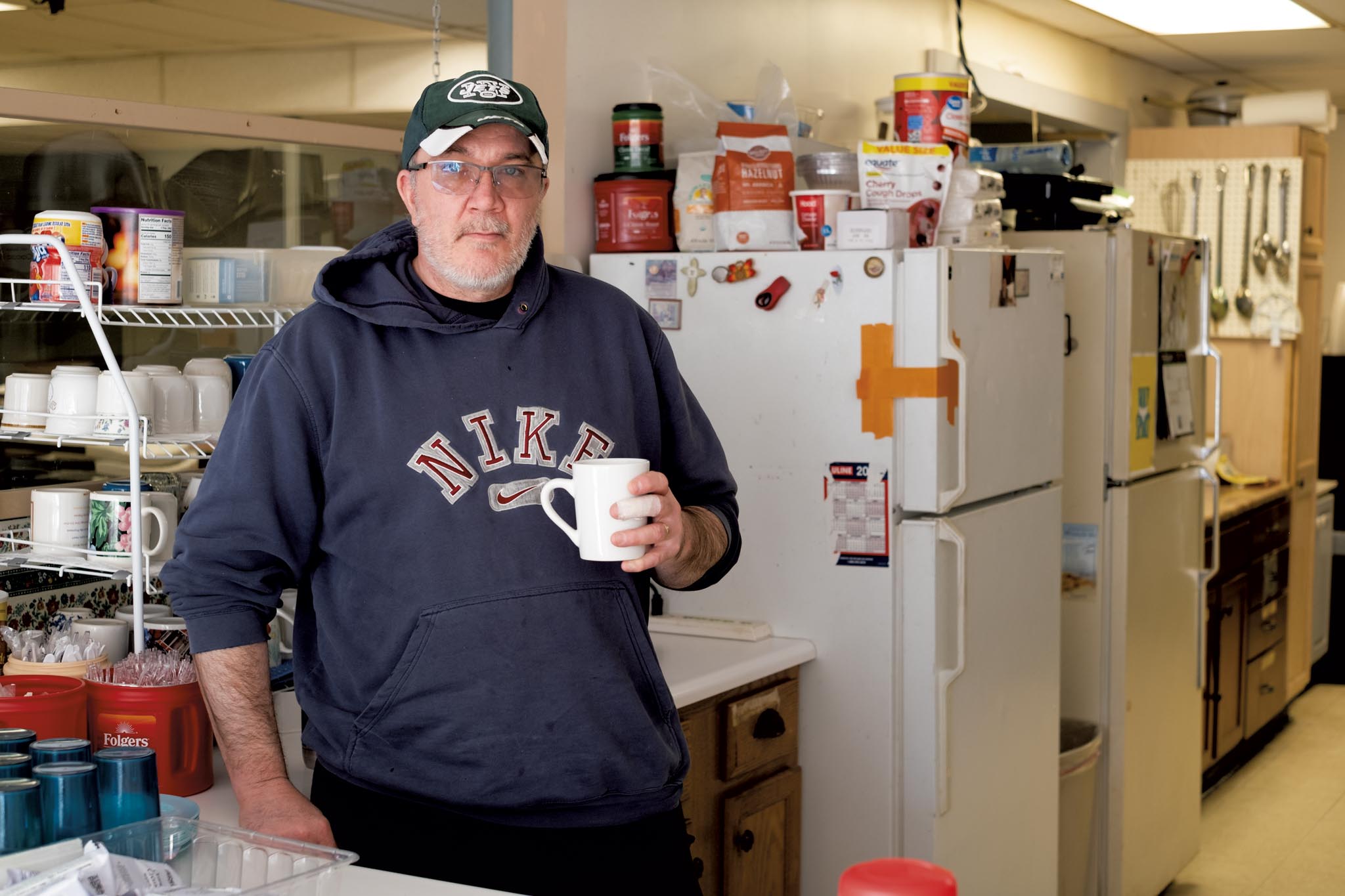
Having been on the receiving end of help himself over the years, Michael, the cook at Mustard Seed in St. Johnsbury is giving back by making sure his neighbors have a nourishing meal and a warm place to chat.
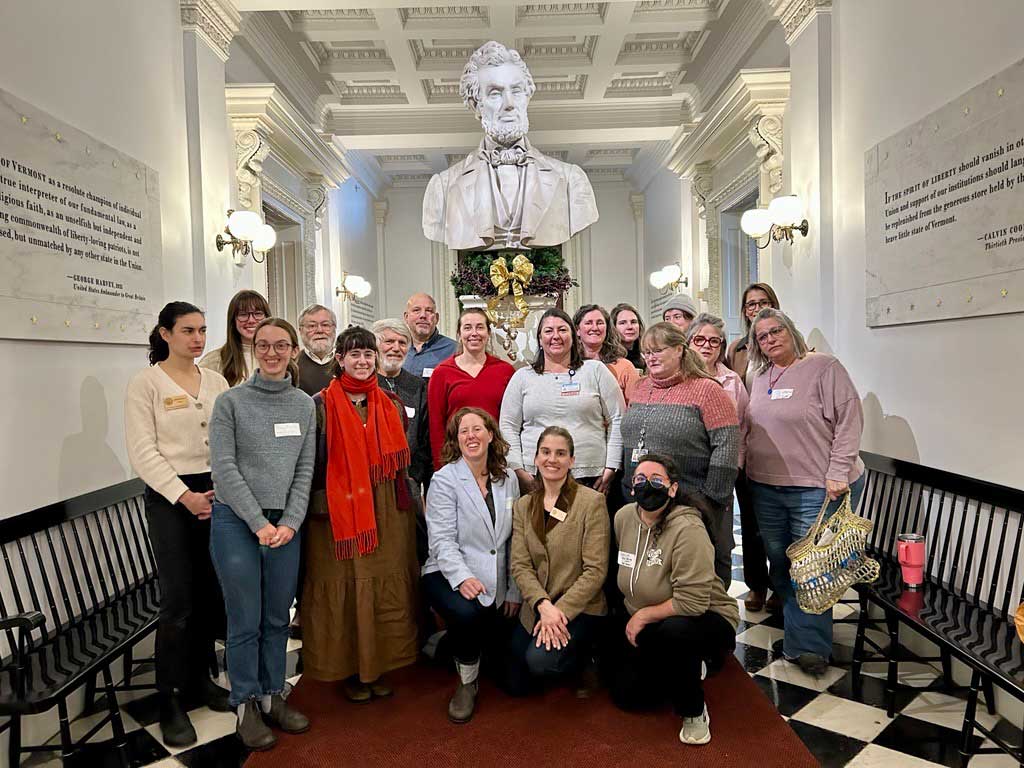
The 2026 Legislative Session, and second and final year of the 2025-2026 biennium, came to a close last Friday, May 29. There were a lot of ups, some downs, and many bills passed just before the deadline. We saw an increased awareness of food security, with some surprising champions stepping forward!
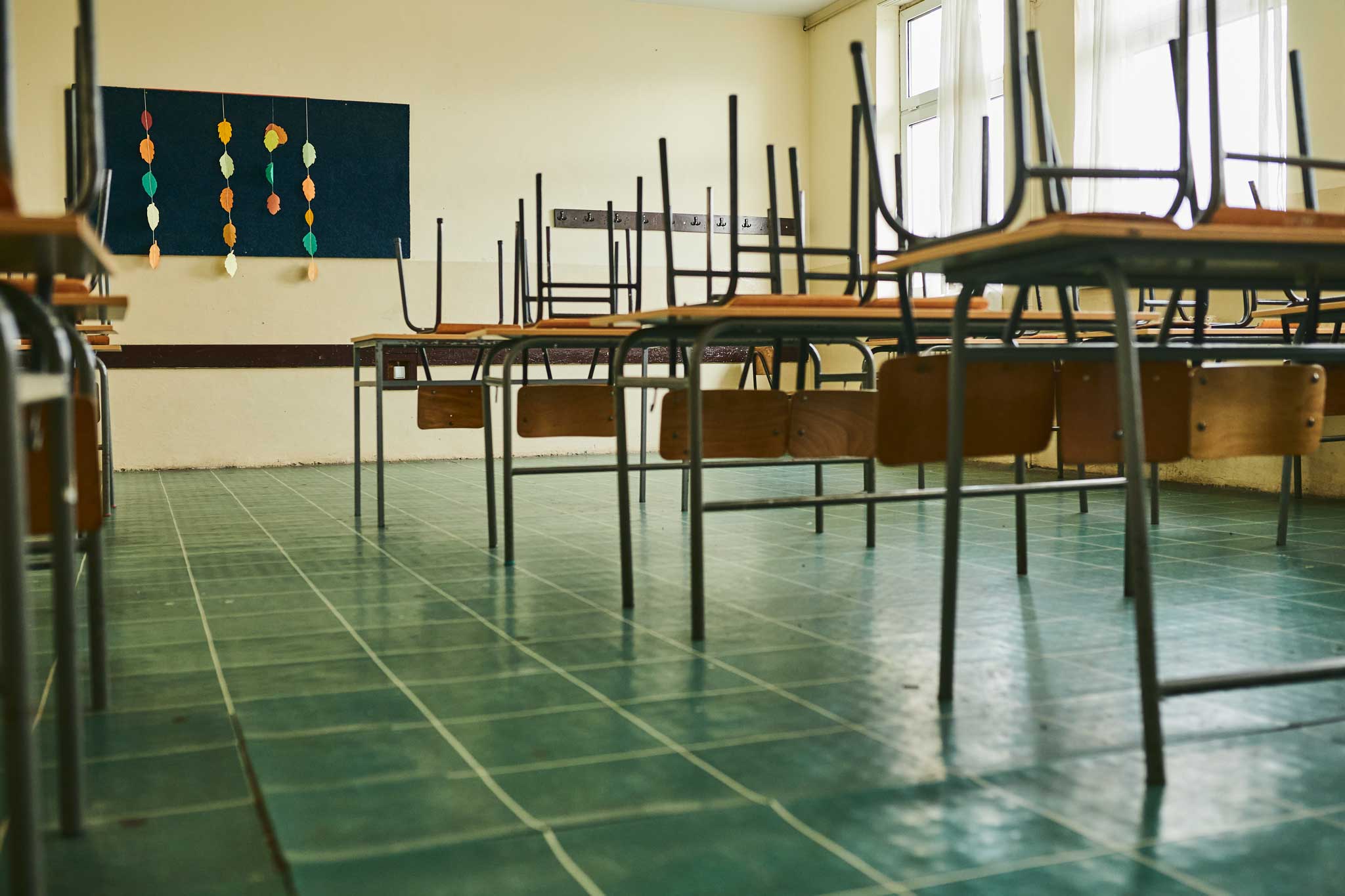
“Summer often is one of the hungriest times of the year for families with school-age children.” This is the opening line of a new national report on summer meals published by the Food & Research Action Center (FRAC).
As Vermont compost piles get turned over and worked into this year’s home gardens, the Vermont Agency of Natural Resources and Vermont Foodbank are calling attention to the importance of feeding people before feeding the soil.
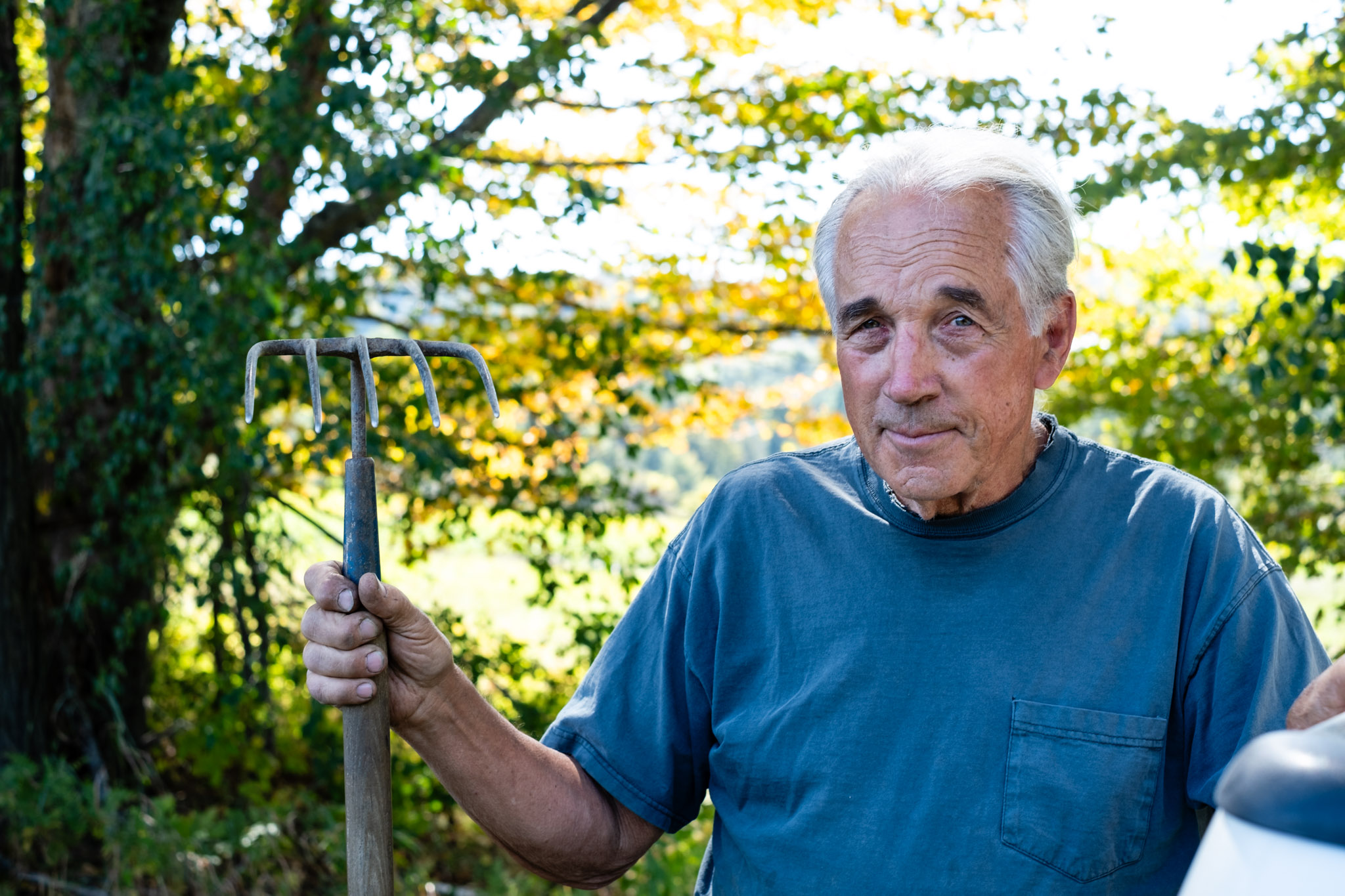
Bob and Barb are Vermont farmers with a passion for growing and sharing one staple, nutrient-dense crop with their community: potatoes. They also partner with Vermont Foodbank to make sure their local potatoes are available to neighbors experiencing hunger.
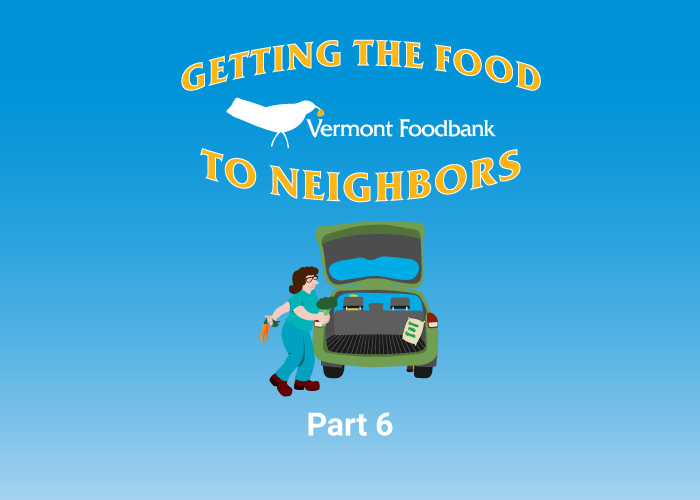
Learn about how Vermont Foodbank's partnerships get food to communities around the state—and how you and your neighbors can find resources near you.

It seems spring has finally arrived, and our spring edition of Kernels is here with it. Spring in Vermont is a time of renewal. New life begins under the melting snow, and paths of green appear on south-facing hills. Gentler days are ahead.
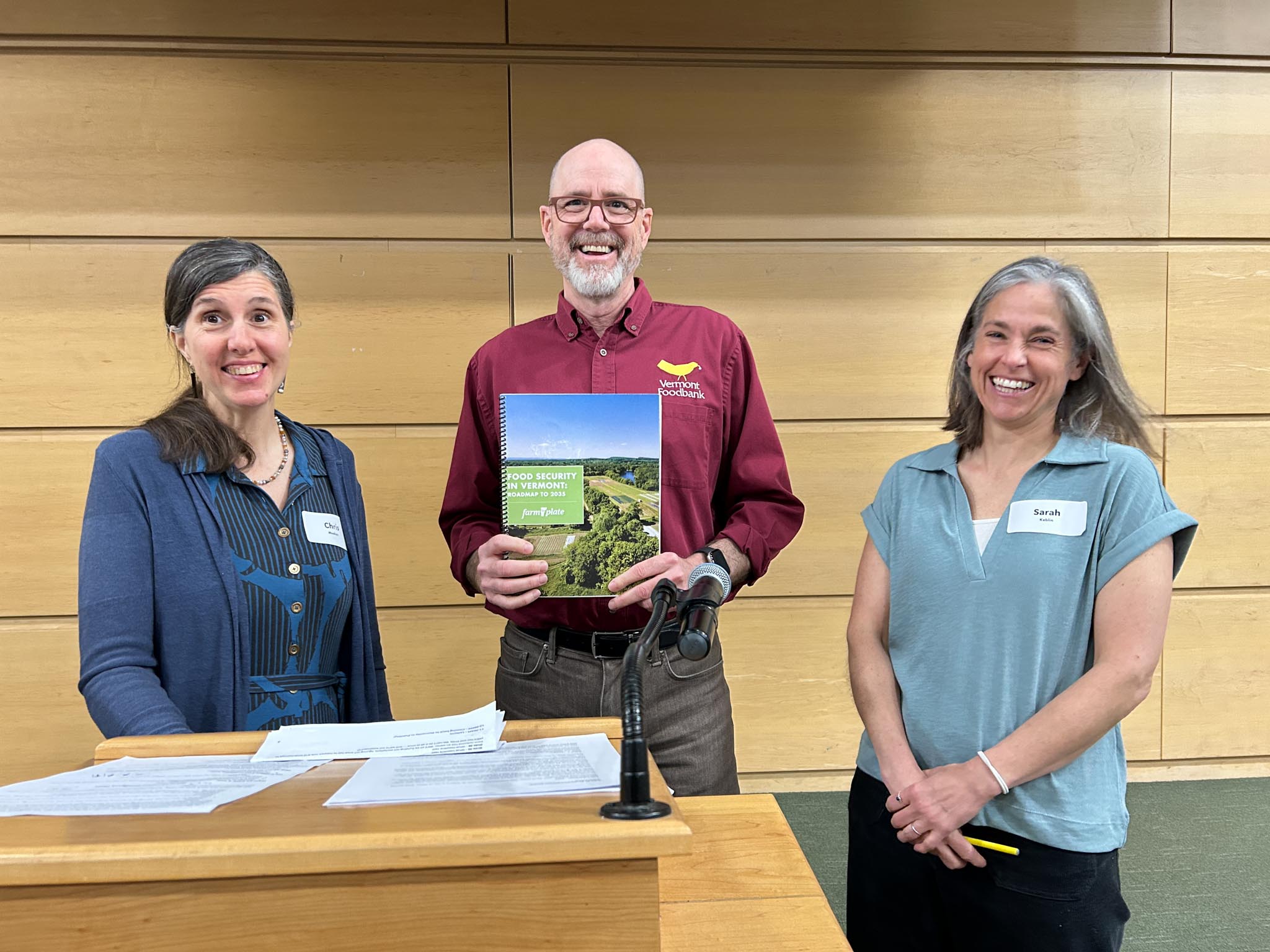
The Vermont Food Security Coalition received an award at the Feeding America national conference in April for its “extraordinary commitment to supporting neighbors facing hunger.”
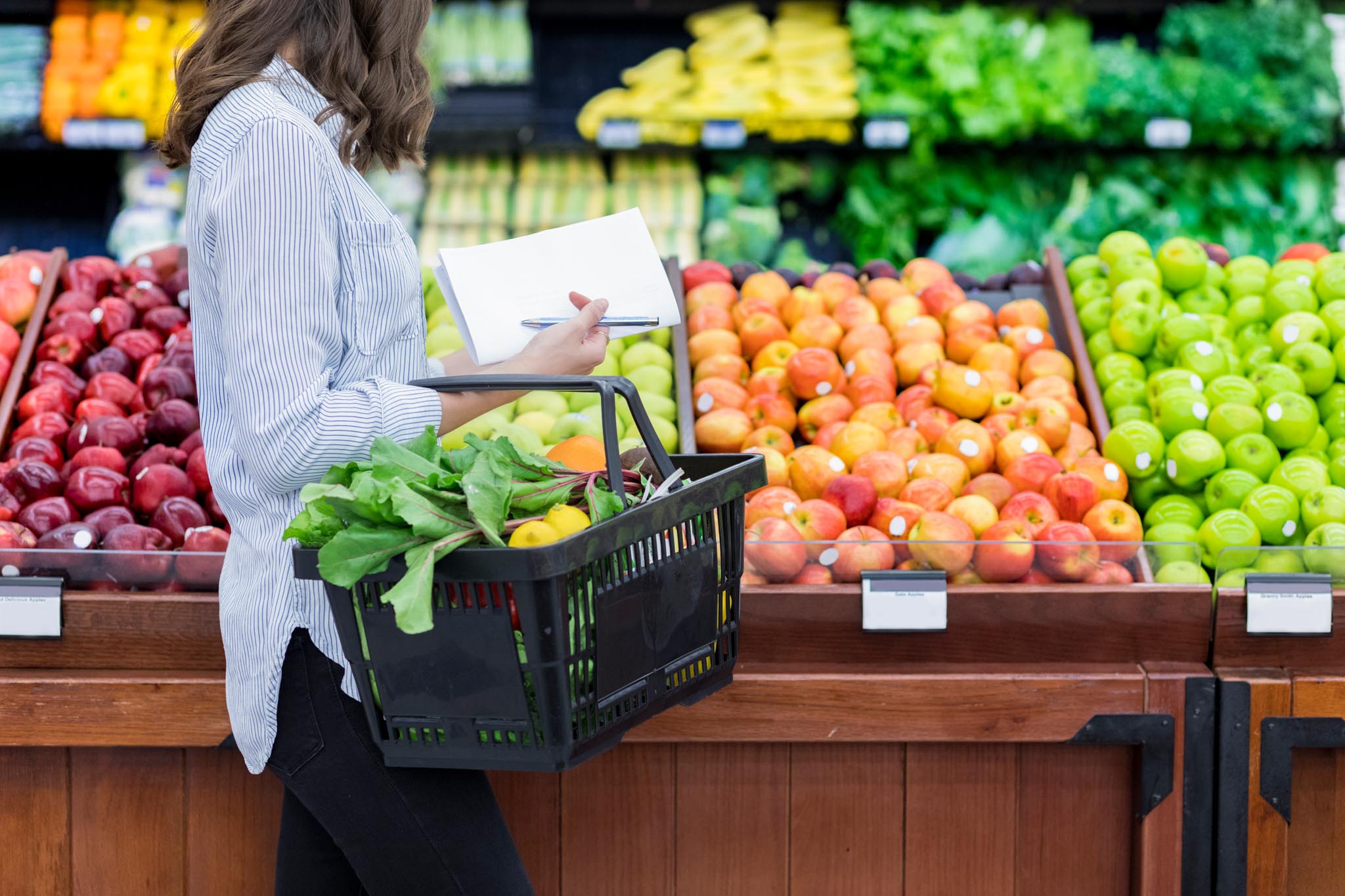
3SquaresVT (SNAP) provides help with groceries to about 61,000 people in Vermont. An estimated 60% of people who are eligible are not enrolled. Could you be one of them?


Copyright 2024 The Vermont Foodbank | All Rights Reserved
Vermont Foodbank is a 501(c)(3) private nonprofit organization. Donations made may be tax-deductible to the extent allowed by law. EIN: 22-3021942 Online donations may be made with a credit card or through direct debit.